
Repair or Replace a Water Softener: Evidence-Based Decision
Content updated
Sources last checked
Consider repair when a qualified diagnosis isolates a serviceable fault, the pressure vessels are sound, correct parts are available and a written quote includes a way to verify the result. Some model warranties may cover the work; check the exact terms and purchase date. The component and warranty guide compares coverage examples without treating warranty length as expected life.
Use the worksheet
Printable repair-or-replace worksheet with safety gates, comparable cost formulas, a worked example with sample numbers, and a CSV download.
Open repair or replace: decision worksheet · Download CSV worksheet
Consider replacement when a tank is damaged, safe repair is unavailable or uneconomic, repeated repairs fail to restore measured performance, or the system no longer meets documented demand. EPA recommends demand-initiated regeneration and suggests looking for models that use no more than 4 gallons per 1,000 grains removed and achieve at least 3,500 grains per pound of salt. Verify those values for the exact candidate model.
In between, compare a written repair quote with a written replacement quote for the same result, soft water at your measured hardness, over the number of years you expect to stay. The decision workbook puts both options on the same footing; the sections below explain how to fill it in.
If there is a leak, water near electrics or continuous unexplained drain flow, follow the exact manual's safe stop or bypass instructions if you can do so safely and seek qualified help.
Decision rule: Compare a written repair quote with a written replacement quote for the same result and the same number of years. Age and a single repair price are starting points, not the answer.
Confirm the diagnosis before comparing prices
“Hard water,” “not using salt” or “not regenerating” is a symptom, not a repair scope. A useful diagnosis identifies what was tested, what failed, what remains functional and how successful work will be verified.
Build a diagnosis record with:
- exact softener and controller model, serial/date information and official manual;
- symptom, first date and repeat pattern;
- untreated and treated hardness, methods, units and sample points;
- settings, salt, bypass, flow, cycle and error evidence;
- leak, drain, brine or pressure observations;
- technician test and diagnosed function/component;
- whether the condition is isolated or part of broader deterioration;
- temporary safe state; and
- acceptance test after proposed work.
If two technicians identify different causes, obtain clarification before treating their totals as comparable. A control-board replacement, a valve rebuild, a resin/media service and a whole-system replacement solve different scopes.
Use the troubleshooting guide to structure symptoms. For an absent cycle, use the not-regenerating guide so power, bypass, meter, trigger and internal causes remain separate.
Do not open the control valve or perform electrical/pressurized diagnosis to create a quote. The provider should state the test, finding and excluded possibilities.
Reconfirm that softening is still the right treatment
Before replacing like-for-like, verify the current treatment goal. Source water, occupants, plumbing and use may have changed since the existing system was selected.
Record:
- current untreated hardness from a defined sample and method;
- iron, manganese or other relevant inputs only from appropriate current testing;
- microbiological safety status for a private well, when applicable;
- peak/average treated-water demand and which branches actually require treatment;
- desired performance criterion;
- local restrictions on softener discharge or installation; and
- whether another treatment problem has been incorrectly labeled “hardness.”
The EPA WaterSense cation-exchange page explains that these systems reduce calcium and magnesium hardness by ion exchange and consume water and salt during regeneration. EPA does not label water softeners through the WaterSense program. A seller's phrase “WaterSense softener” should therefore be checked carefully rather than accepted as a product-label claim.
If current water does not justify the same treatment objective, pause both repair and replacement assumptions and consult a qualified water-treatment professional. Do not infer potability or contaminant removal from hardness results.
Identify component age, warranty and the parts path
Record the installation date if documented, but make the decision at component level:
| Component/function | Evidence to collect |
|---|---|
| Tank/structure | condition, leak history, rating label, exact warranty |
| Control/valve | diagnosis, parts list, model support, rebuild/replacement scope |
| Meter/sensor | test result, calibration/configuration, part availability |
| Electronics/motor | exact failed part, safe power diagnosis, warranty/labor |
| Resin/media | performance evidence, water conditions, proposed service/replacement |
| Brine system | tank, float/valve, tubing and draw/fill diagnosis |
| Installation | bypass, drain, air gap, electrical, code and access condition |
Manufacturer warranties demonstrate why one whole-unit age rule is weak. Pentair's current warranty information lists different coverage periods by model line and component. A historical Whirlpool WHES48 warranty likewise gives different terms for tanks, resin, electronics, other parts and labor, subject to its specific conditions and date.
Those examples do not establish your coverage. Verify:
- exact model and warranty version in force at purchase;
- original-purchaser or registration requirements;
- purchase/installation date and proof;
- covered component and failure type;
- labor, travel, shipping and diagnostic-fee treatment;
- exclusions, maintenance or operating conditions;
- authorized provider requirements; and
- claim approval before assuming a credit or free part.
Record warranty answers in writing. Do not quote an old manual or another model as current legal coverage.
Build comparable dated repair and replacement quotes
Put the quotes side by side. Ask each provider to price the same evidence-backed scope or to explain why its diagnosis differs. Every quote should state:
- provider and quote date/expiration;
- exact diagnosed condition;
- repair parts and labor, or replacement model and installed capacity;
- permits, code upgrades and plumbing/electrical modifications;
- bypass, drain, air gap, hauling and disposal;
- startup, sanitation and programming;
- water test and acceptance criteria;
- workmanship, parts and equipment warranties;
- travel, diagnostic, shipping and tax treatment;
- exclusions and contingencies;
- expected scheduling/downtime; and
- total entered from the actual quote.
Do not compare a repair subtotal with an all-in replacement total. Do not compare a replacement box price with a technician's installed repair. Normalize scope first.
Never publish or reuse a local quote as a national price. Labor, access, permit and material costs change by place and time. Remove names, addresses, phone numbers and account details before sharing a quote for editorial review.
Define what a successful repair must deliver
A repair is not complete merely because the error cleared or water feels slippery. Before authorizing work, define measurable acceptance:
- no leak or continuous drain in service;
- controller records known treated-water flow correctly;
- a documented regeneration starts, progresses and returns to service;
- brine fill/draw/drain behavior meets the exact manual;
- treated hardness meets the agreed criterion at a defined point;
- settings and parts before/after are recorded;
- no new error appears during a defined observation window; and
- provider documents parts/work warranty and follow-up process.
Ask whether the repair addresses the diagnosed cause or only a symptom. Also ask whether another unsupported component is necessary for the proposed repair to succeed. Do not turn an unsupported statement like “the rest should be fine” into a numeric probability.
Repair can remain attractive when the failed component is isolated, correct parts/service exist, structural conditions are sound, performance can be verified and the quote/warranty fit the owner's decision horizon. Those are criteria, not a promise that repair is always cheaper.
Specify replacement from current inputs
A replacement option should not default to the same nominal “grain” number on the old cabinet. Use current measured water and demand inputs, then obtain exact performance data for the proposed model.
Require the quote/specification to include:
- treated flow and household demand basis;
- current hardness and any model-authorized compensation;
- rated softening capacity at the specified salt dose;
- usable/configured capacity and reserve logic;
- demand-initiated versus other regeneration control;
- water use per regeneration or per hardness removed, with test basis;
- salt efficiency at the proposed setting;
- applicable NSF/ANSI 44 certification for the exact model;
- drain, air-gap, pressure, temperature, electrical and space requirements;
- included bypass/connectors and excluded plumbing work; and
- startup, sanitation, programming and acceptance testing.
EPA's home-maintenance guidance recommends demand-initiated replacement systems rather than manual or auto-initiated regeneration and points consumers toward models using four gallons or less per 1,000 grains removed and at least 3,500 grains per pound of salt. Treat those as sourced screening criteria, not proof that a proposed model fits the home.
Check certification in the NSF official listings using exact brand/model and claim. “Designed to NSF/ANSI 44” is not the same as an active certified listing. Certification also does not prove correct sizing, installation or current performance.
Use the buying checklist and installation-cost guide to keep model selection separate from installed scope.
Compare full installed and operating evidence
Choose a decision horizon in years. Use the same horizon for every option and enter only documented values:
Repair-path cost = repair quote + documented follow-up work + expected salt/water/service entered from owned evidence
Replacement-path cost = equipment + installation + permits/modifications + disposal − confirmed credits + expected salt/water/service entered from specified performance and local rates
These are organizing formulas, not predictions. Leave a field blank or label it unknown rather than inserting a national average. Keep rebates, warranty credits and trade-in values at zero until confirmed in writing.
Operating comparison should use consistent load and units. An efficient new unit may reduce salt or regeneration water, but actual savings depend on hardness, treated gallons, capacity, salt dose, controller behavior and rates. A repair may preserve familiar equipment while leaving its existing efficiency unchanged. Neither advantage should be assumed without data.
Keep nonfinancial considerations visible rather than monetizing them with invented dollars:
- flooding or safety exposure;
- outage/downtime tolerance;
- parts/service availability;
- future source-water or household changes;
- installation disruption and access;
- disposal/material impacts; and
- confidence in diagnosis and performance evidence.
Apply editable decision rules, not universal thresholds
Decide your must-haves (warranty length, hardness result after service, lead time) before you look at the totals.
Stop/gating conditions can include:
- unsafe structural condition not resolved by the quoted repair;
- diagnosis too uncertain to define acceptance;
- required part unavailable or unsupported;
- repair cannot meet the current water/flow criterion;
- replacement proposal lacks exact performance data or code-complete scope;
- quote/warranty cannot be verified; or
- a critical cost remains unknown.
After gates, compare preferences such as cash outlay, warranty, efficiency evidence, downtime, serviceability and future fit. Do not add arbitrary weights just to produce a precise-looking score. If you use weights, the owner must choose and document them; run sensitivity by changing one assumption at a time.
A reasonable outcome can be:
- repair now: evidence and scope meet all required gates;
- replace now: replacement meets gates and better fits documented priorities;
- obtain another diagnosis/quote: evidence conflicts or scope is not comparable; or
- defer safely and monitor: only if the system is safe, the treatment need can be met temporarily and a defined observation plan exists.
The matrix supports a decision; it does not make one automatically.
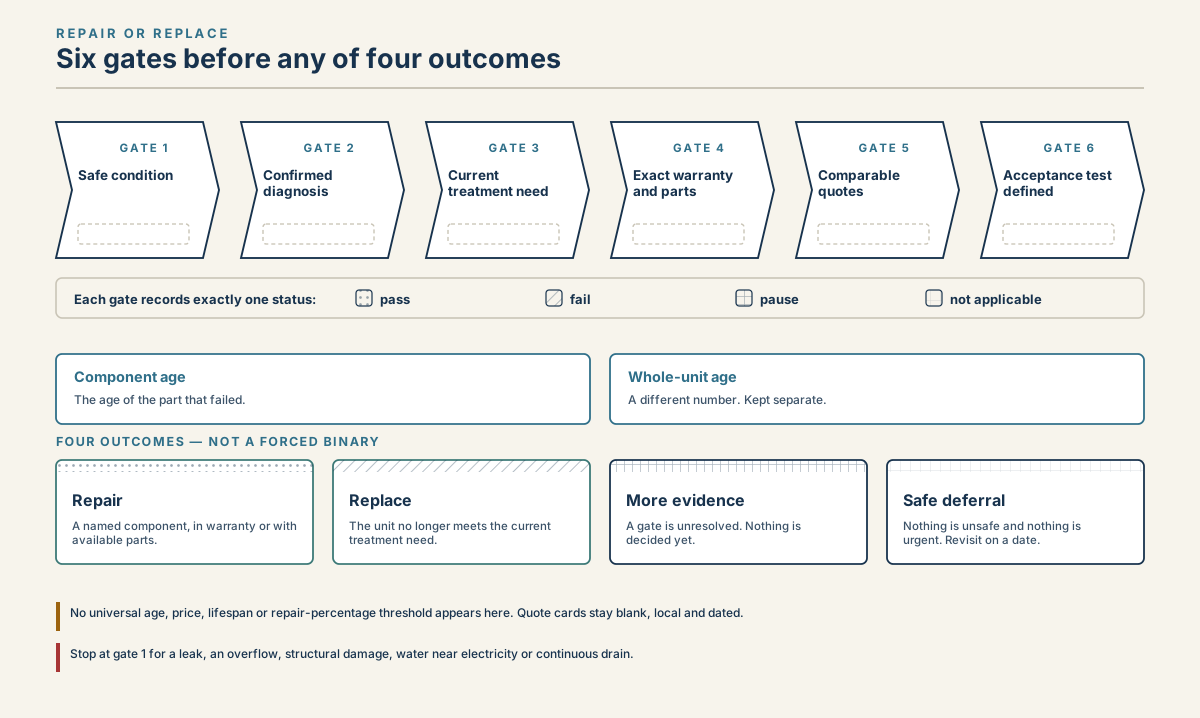
Evidence-based water softener repair-or-replace decision using diagnosis, warranty, comparable quotes and acceptance tests.
Read diagram in text
- REPAIR OR REPLACE
- Six gates before any of four outcomes
- GATE 1
- Safe condition
- GATE 2
- Confirmed
- diagnosis
- GATE 3
- Current
- treatment need
- GATE 4
- Exact warranty
- and parts
- GATE 5
- Comparable
- quotes
- GATE 6
- Acceptance test
- defined
- Each gate records exactly one status:
- pass
- fail
- pause
- not applicable
- Component age
- The age of the part that failed.
- Whole-unit age
- A different number. Kept separate.
- FOUR OUTCOMES — NOT A FORCED BINARY
- Repair
- A named component, in warranty or with
- available parts.
- Replace
- The unit no longer meets the current
- treatment need.
- More evidence
- A gate is unresolved. Nothing is
- decided yet.
- Safe deferral
- Nothing is unsafe and nothing is
- urgent. Revisit on a date.
- No universal age, price, lifespan or repair-percentage threshold appears here. Quote cards stay blank, local and dated.
- Stop at gate 1 for a leak, an overflow, structural damage, water near electricity or continuous drain.
Document the final choice and acceptance
Before work begins, save:
- selected option and decision date;
- alternatives and quotes considered;
- diagnosis and required gates;
- assumptions/unknowns that could change the choice;
- provider, model/parts and exact scope;
- total/terms from the signed agreement;
- warranties and claim process;
- target completion and safe interim state; and
- acceptance tests and responsible person.
After work, record settings, parts/model, serial information privately, cycle result, leak/drain inspection and untreated/treated hardness. Photograph only what is necessary and protect household/customer information.
Use the maintenance log to retain the new baseline. If acceptance fails, keep the original diagnosis, quote and test results; do not erase the evidence by repeatedly changing settings or regenerating.
Frequently asked questions
At what age should a water softener be replaced?
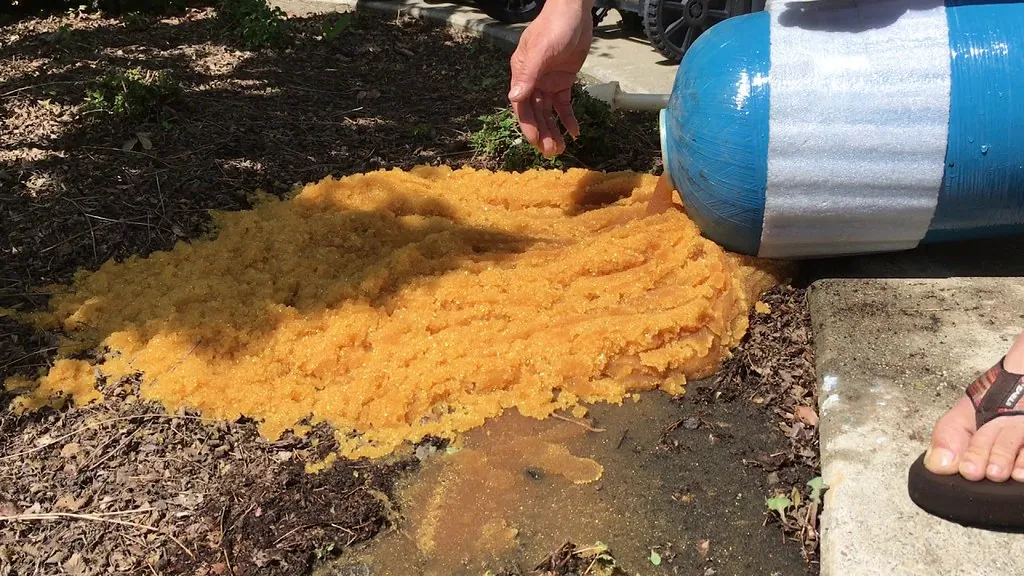
Age alone does not decide. Tank damage or escaping media needs prompt diagnosis; warranty coverage may change who pays, but it does not identify the repair. Compare a serviceable fault and written repair scope with a replacement that meets current hardness and flow needs. Use condition, performance, parts availability and total cost.
Is a new softener always more efficient?
No. Compare exact performance data and settings for the proposed model. EPA offers screening criteria, including demand-initiated control, four gallons or less per 1,000 grains removed and at least 3,500 grains per pound of salt, but the model must still fit measured hardness, demand and installation.
Does NSF/ANSI 44 certification mean I should replace?
No. Certification supports specific model claims; it does not decide repair economics. Verify the exact listing if replacement is being considered, and note that "designed to NSF/ANSI 44" is not the same as an active certified listing. Certification also does not prove correct sizing or installation.
Should I repair before getting another quote?
Not when the diagnosis or scope is uncertain and the condition is safely contained, since comparable written quotes prevent paying for different assumptions. Use local dated quotes rather than a national price range, which may omit travel, permits, plumbing, disposal or tax. Urgent hazards require immediate professional action.
Sources
Sources were consulted on the dates shown. Warranties, parts availability and prices change, so date every quote you compare.
- U.S. Environmental Protection Agency WaterSense, Cation Exchange Water Softeners, updated May 8, 2026; consulted August 27, 2026.
- U.S. Environmental Protection Agency WaterSense, Home Maintenance — Water Softeners, updated June 16, 2026; consulted August 27, 2026.
- NSF, NSF/ANSI 44 Technical Requirements, March 8, 2025; consulted August 27, 2026.
- NSF, NSF official listings; consulted August 27, 2026.
- Pentair, Pentair Warranty & Registration; consulted August 27, 2026.
- Whirlpool Water Solutions, Whirlpool WHES48 warranty; consulted August 27, 2026.
- U.S. Environmental Protection Agency WaterSense, Guide to Selecting and Maintaining a Water-Efficient Water Softener, May 2026; consulted August 27, 2026.
- Whirlpool Water Solutions, Whirlpool WHES48 manual; consulted September 24, 2026.
- Whirlpool Water Solutions, Water Softener Installation and Operation Manual, document 7392301; consulted September 24, 2026.
- Pentair, Whole House Water Softening System Installation and Operation Manual; consulted September 24, 2026.